

This post may contain affiliate links; by clicking on and buying through these links I will earn a small commission, at no extra cost to you: helping me to keep Blind Girl Adventures running.
Boston, Massachusetts, is a city that harmonises rich history with modern innovation. Visiting for the first time as a blind traveller with my husband Grant, this accessible 4 days in Boston itinerary is a guide that details everything we experienced and offers advice for navigating the city’s highlights. Whether you’re blind, visually impaired, or a wheelchair user, this itinerary will help you make the most of your trip.
Boston’s commitment to accessibility shines throughout its attractions, transport, and restaurants, making it an ideal destination for disabled travellers.
Day 1: Arrival and Settling In
I arrived at Boston Logan International Airport, a large and busy hub with helpful staff trained in assisting passengers with disabilities. Pre-arranging wheelchair assistance as I was unsure of how big Logan airport was, made navigating customs stress-free. Grant took a taxi to the Omni Boston Hotel at The Seaport, which cost $35.
The Omni Boston Hotel at The Seaport is in one of Boston’s fastest-growing neighbourhoods. Once a dockside industrial area, the Seaport has transformed into a chic hub filled with glass skyscrapers, high-end restaurants, and cultural attractions. This area represents Boston’s dedication to reinvention and inclusivity, with wide pavements, step-free entrances, and a focus on public transport accessibility.
The hotel itself embodies this ethos, with features like audio and braille access to the lifts, wide doorways, and grab rails in the shower ideal for those of us who are visually impaired or have mobility issues. After unpacking and opening the goodies from the meat Boston team, it was time to head out for dinner.
Dinner was at Woods Hill Pier 4, located along the waterfront, just a short, accessible stroll from the hotel. The restaurant’s ethos is deeply rooted in sustainability, sourcing its ingredients from its own farm in New Hampshire. The farm grows organic produce and raises livestock with the utmost care for the environment. This commitment to sustainability enhances the dining experience, from the freshness of the ingredients to the ethically inspired menu.

Their ethos of communal dining encouraged us to share multiple dishes:
- Charred Broccoli: Smoky, with a tangy green sauce, crispy shallots, and creamy aioli.
- Roasted Delicata Squash: Sweet, nutty, with pickled peppers and sesame seeds for a bold contrast.
- Wood-Fired Lamb Ribs: Sticky, tender, and herbaceous, with mint and sesame accents.
- Pan-Seared Duck Breast: Juicy and rich, paired with a sweet raspberry reduction and buttery brioche toast.
- Winter Caesar Salad: A refreshing mix of roasted squash, apple slices, and sunflower seeds.
- Lobster Risotto: Velvety and indulgent, with perfectly cooked lobster pieces.
The attentive staff made the experience seamless for me as a blind diner, announcing their presence each time and placing dishes or drinks with clear instructions. My blueberry cocktail, for instance, was set at my top left above my plate.
This dinner was also the first time we met Dave and Nadia, another content creator who added even more joy to our evening. Nadia, who uses an electric wheelchair and a speech synthesiser, shared fascinating travel stories that inspired me to plan future adventures.
Day 2: History and Culture
Innovation Trail

Our second day started with the Innovation Trail, a guided walking tour through Kendall Square and beyond. The trail highlights Boston’s world-changing contributions to science, medicine, and technology. Daniel our guide was utterly fascinating and taught me so much, his sense of humour and enthusiasm for the tour itself was a major component to my enjoyment, as obviously I couldn’t see the iconic buildings. You can reach the meeting point via the Red Line subway (£2.75) as the system is equipped with audio announcements and step-free access.
For lunch, we visited the Museum of Fine Arts (MFA), where we joined the Feeling for Form tour, designed specifically for blind and visually impaired visitors. This 30-year-old programme uses tactile exploration and verbal descriptions to make art accessible. The thoughtful curation included sculptures and tactile pieces, enriching my understanding of each installation.
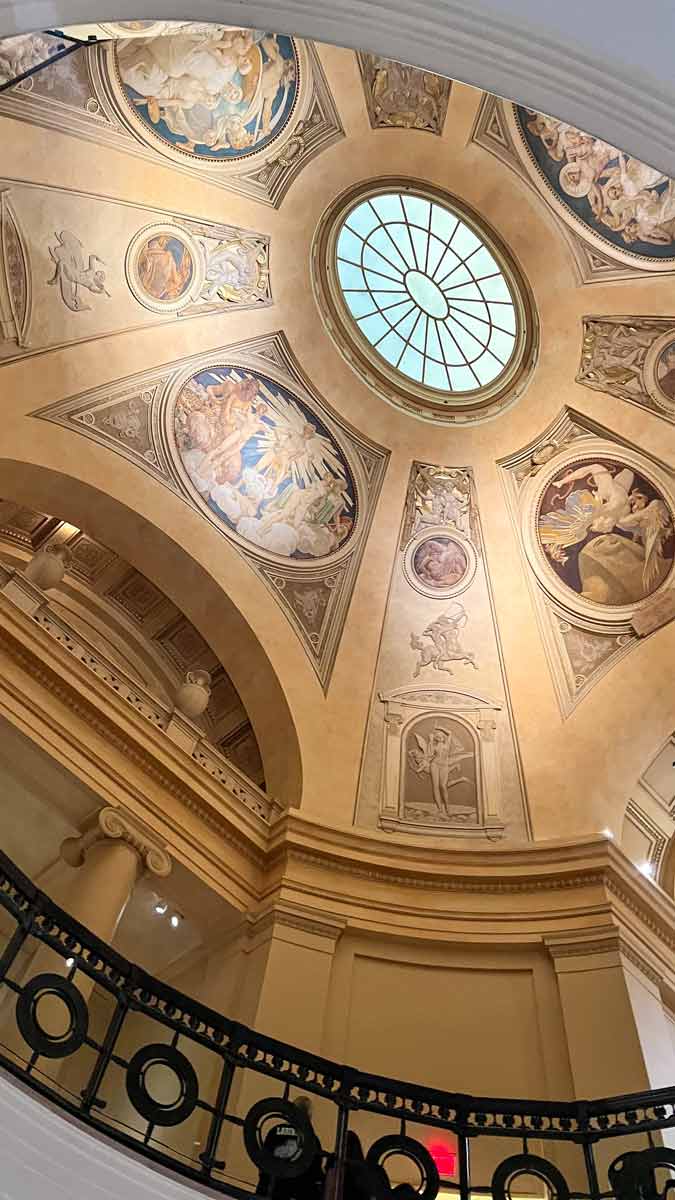
The museums dedication to inclusion was testament to not just the art I engaged with but the information, attentiveness and pride of the accessibility team who greeted us, and showed us around. Jessica was a true delight to be around, a special moment that will always stay with me is sitting with Nadia at lunch and asking if she could sign in ASL.
You can pre-book virtual or in person tours for visually impaired, autism, memory loss and those who are deaf.

The range of accessibility was particularly poignant to me as this is something I definitely believe the UK/Europe can take away and loan from. The museum also serves up an impressive dining menu. I opted for the cheeseburger: a juicy, perfectly cooked patty with a rich, beefy flavour, topped with melted cheese. Each bite was satisfying, with the fresh crunch of lettuce and a very large pickle served on the side adding balance to the richness. Grant ordered the ribs, and of course I had to taste them: tender and fall-off-the-bone good, coated in a sticky, smoky glaze that packed a punch of sweet and savoury flavours.
Boston’s Chinatown
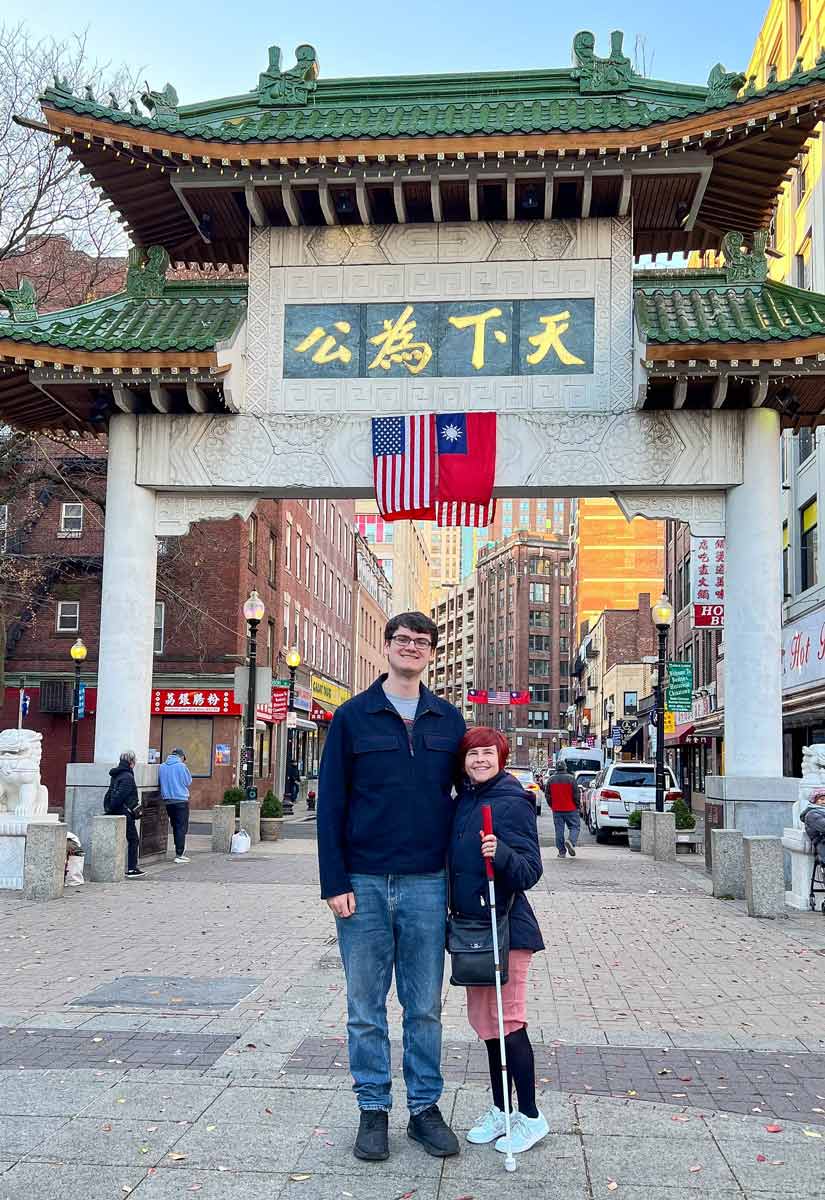
Later, we explored Boston’s Chinatown, a vibrant neighbourhood with a rich immigrant history. Jacqueline Church’s walking tour was a cultural immersion, introducing us to legacy bakeries, herbalist shops, and culinary delights. there’s so much history and culture I want to share with you about Boston’s Chinatown but I feel it deserves a whole blog post in itself so keep your eyes out for Accessible Boston Chinatown.
Trillium
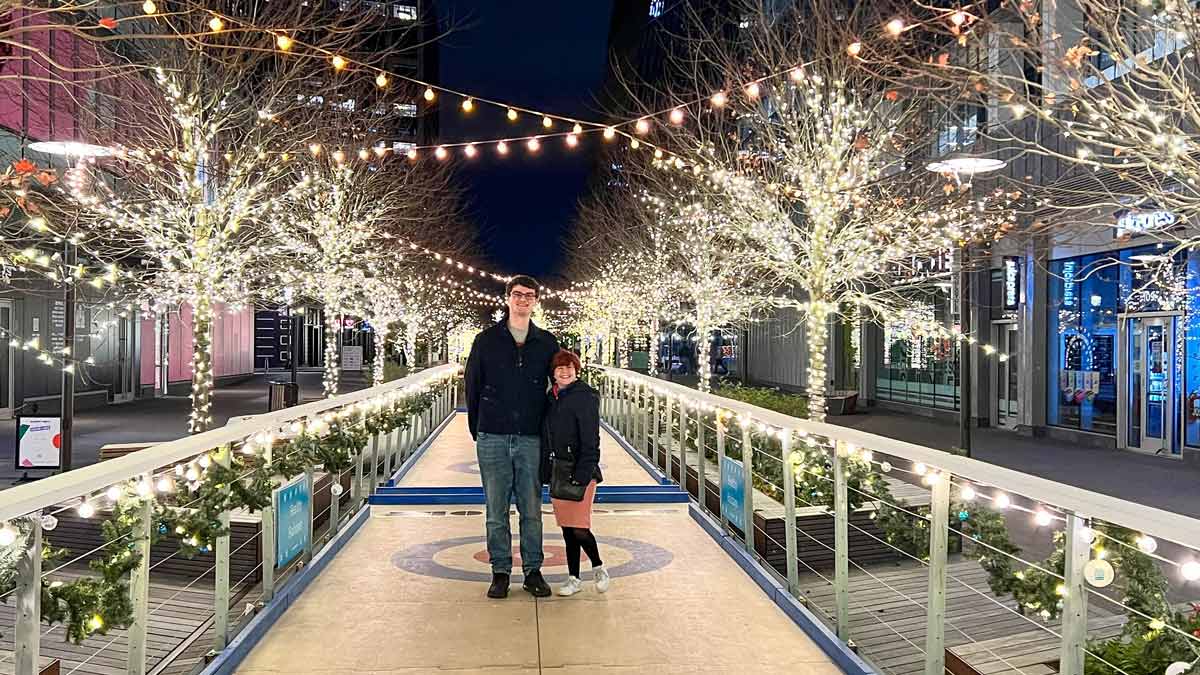
We ended our vibrant Day 2 with a visit to Trillium Brewing Company, a renowned staple of Boston’s craft beer scene. Founded in 2013, Trillium is celebrated for its innovation and commitment to showcasing New England’s agricultural heritage through its brews. Grant indulged in two standout beers: the Mango and Passionfruit Wild Ale, a tangy and refreshing tropical blend, and the Queen Bee Wild Ale with Honey, which featured locally sourced honey for a delicate floral sweetness. The brewery’s Fort Point taproom was fully accessible, with step-free access, wide entrances, and plenty of space to navigate comfortably. Trillium offered the perfect combination of laid-back charm and modern creativity, making it a highlight of our evening and a must-visit spot for beer enthusiasts in Boston.
Day 3: Waterfront Adventures and Seaport Elegance

The day began with a with a gathering at the pier meeting old friends (the legendary John Morris) and new (Noelle) before boarding our boat cruise, save the harbour a free and accessible tour of Boston Harbour. Boarding was straightforward via ramps, and the crew provided detailed audio descriptions of landmarks like Castle Island and Pleasure Bay. Save the Harbor’s commitment to inclusivity is remarkable, with community programmes supporting underprivileged and disabled visitors.
Lunch at the Meet Boston Office featured a panel with Kristen McCosh, Boston’s Disability Commissioner. Kristen shared insights into the city’s ongoing accessibility initiatives, from tactile maps to step-free walkways, noting that it takes time to make all infrastructure fully accessible. Boston is committed to becoming as inclusive as possible.
Later in the day, we visited Snowport, Boston’s vibrant Christmas market located in the heart of the Seaport District. This festive marketplace, officially known as the Seaport Holiday Market, was established to create a community-focused celebration that showcases local businesses, artisans, and Boston’s winter charm. Snowport transforms the Seaport into a magical winter wonderland, drawing visitors and residents alike with its blend of shopping, food, and entertainment.
The market was launched as part of the Seaport’s redevelopment efforts to make the neighbourhood a year-round destination. It supports Boston’s small business community by giving local vendors a platform during the busiest shopping season of the year. Snowport also emphasises inclusivity, with sensory-friendly spaces, sensory kit, and wide, accessible pathways to ensure that everyone can enjoy the festivities.
Vendors and Experiences:
Snowport features over 120 stalls, with vendors offering a mix of unique gifts, handmade crafts, and gourmet treats. Highlights include:
- Boston-based Artisans: Vendors selling handmade jewellery, hand-knit scarves, and eco-friendly homeware crafted by local artists.
- Speciality Foods: Stalls offering gourmet hot chocolate, locally roasted coffee, artisanal cheeses, and baked goods such as fresh doughnuts and Christmas cookies.
- Unique Gifts: From candles and holiday décor to personalised ornaments and wooden toys, the selection reflects the creativity of Boston’s small businesses.
- The Mistletoe Bar: A pop-up bar serving festive cocktails, mulled wine, and seasonal beers—a favourite stop for adults seeking a warm beverage.
The festive atmosphere is enhanced by holiday lights, music, and interactive installations like a giant advent calendar and a holiday tree decorated with contributions from local schools. The market also offers family-friendly activities such as ornament-making workshops and a seasonal treasure hunt for children.
Snowport’s focus on community, sustainability, and accessibility makes it more than just a Christmas market—it’s a celebration of Boston’s inclusive and innovative spirit. For us, strolling through Snowport with its festive smells, cheery music, and bustling energy was a heartwarming way to connect with the city and its people.
Dinner at Coquette
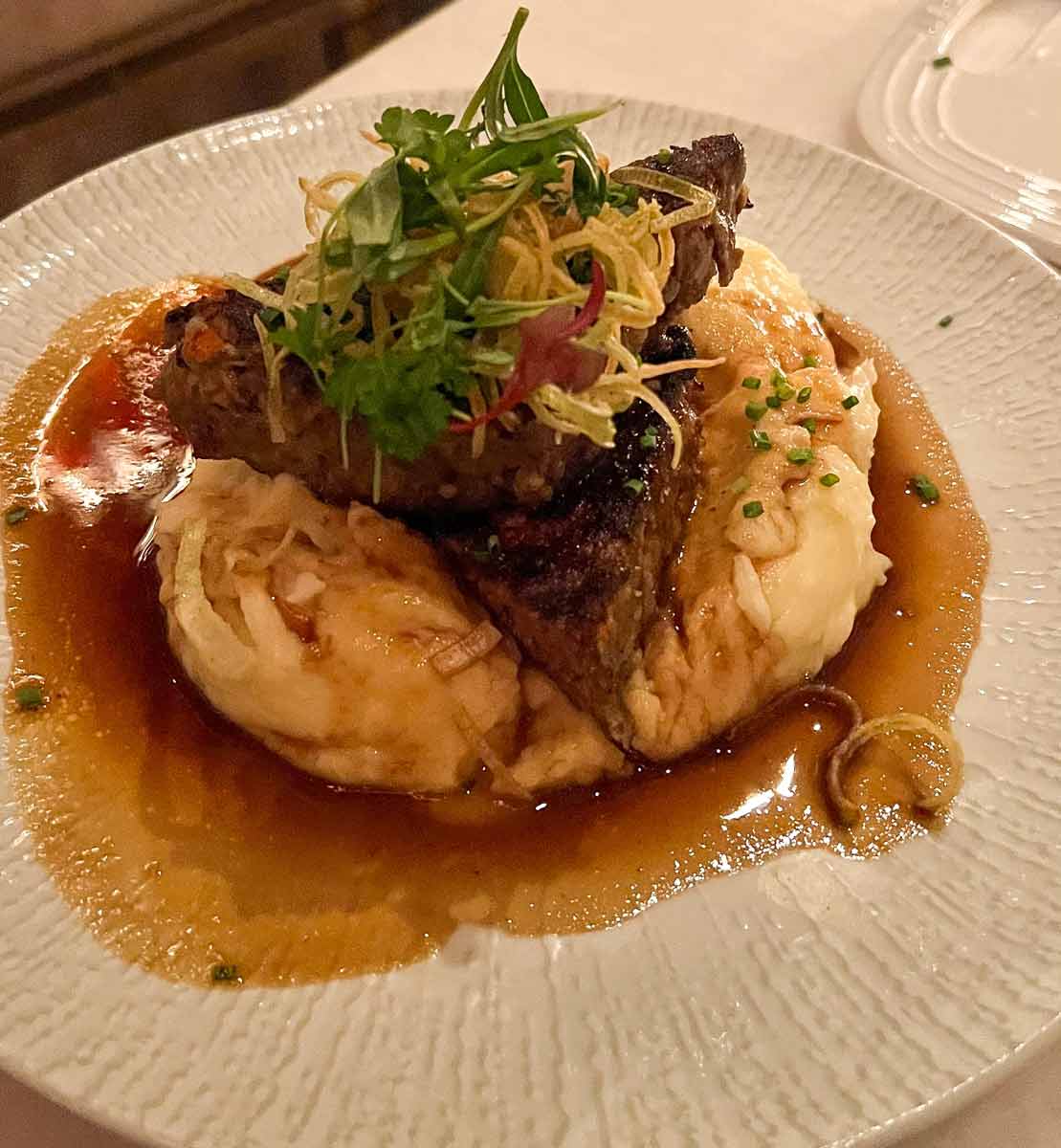
Dinner that evening was at Coquette, an elegant yet relaxed restaurant offering French and Spanish coastal cuisine. Highlights included:
- Steakhouse Meatloaf: Tender and savoury, served with buttery mashed potatoes and crispy leeks. I’d come back every week just for the mashed potato!
- Borek Spring Rolls: Flaky and warm, with a spiced filling bursting with flavour.
- Nonna Buns: Soft, pillowy, and slightly savoury.
- Brussels Sprouts: Nutty and creamy, with crispy breadcrumbs for added texture (as verified by Grant as I refuse to eat Brussels sprouts no matter how many times he urged me to try them.).
Accessibility at Coquette, they had a two-tier seating option, the first upper tier was accessible within the Omni Boston Hotel at Seaport and street level. The second tier was down a few steps. As I didn’t use the toilet I can’t confirm if they have any accessible toilets there and sadly the website doesn’t share this information either.
Coquette’s location in the Seaport District, a symbol of Boston’s modernity and accessibility, added to the experience.
Day 4: Science and Farewell
Museum of science
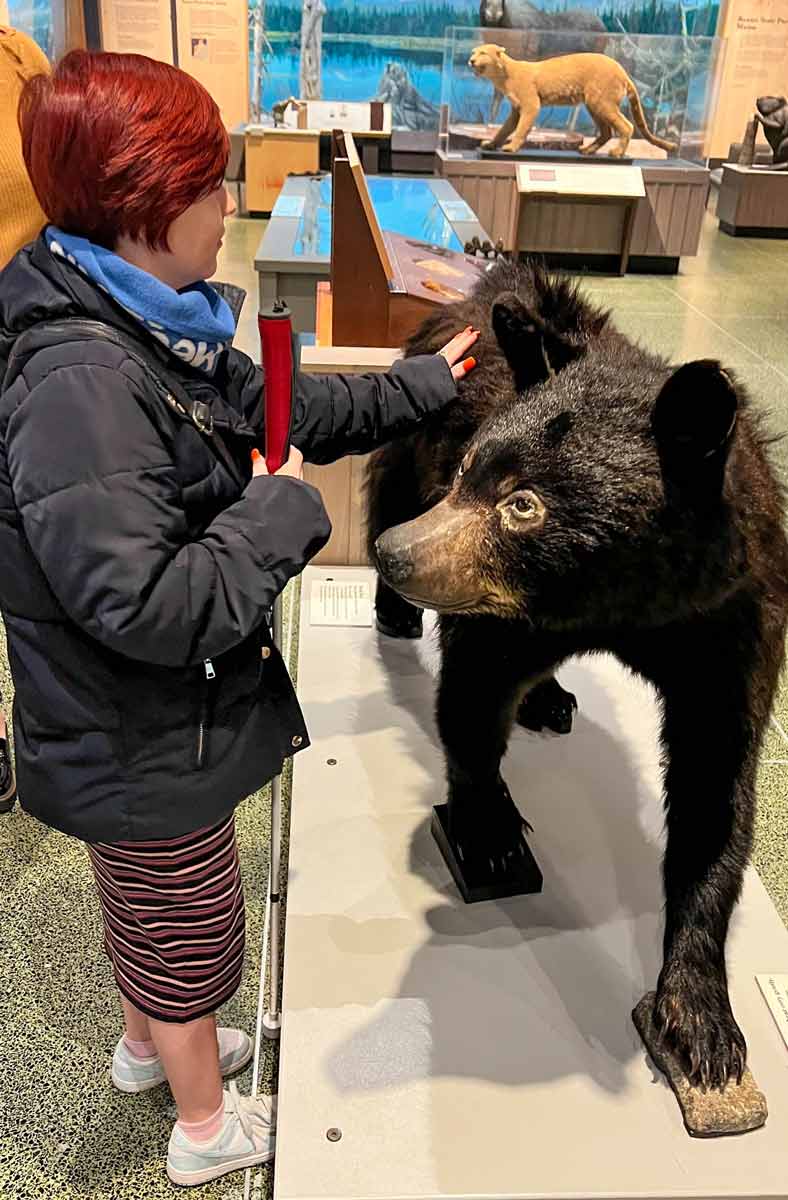
Our final morning in Boston was spent at the Museum of Science, an institution renowned for its interactive exhibits and commitment to accessibility. Each exhibit was thoughtfully designed, ensuring a seamless experience for blind and visually impaired visitors, as well as wheelchair users. Click here to get your skip the link ticket ahead of time.
Exhibits We Explored:
New England Habitats:
This exhibit showcased the diverse ecosystems of the region, featuring tactile models like a bear sculpture, which allowed me to feel the powerful stance and texture of the animal. Detailed verbal descriptions brought the habitats and native species to life, offering a multisensory experience.
Hall of Human Life:
A fascinating dive into human biology, this exhibit featured a tactile diorama of the ear, enabling me to explore the cochlea, eardrum, and auditory nerve. It was an engaging way to understand the complexities of hearing and how our bodies interact with the world. We also watched a short presentation where members of the deaf community shared their stories.
Survival of the Slowest:
Highlighting how slower animals adapt to survive, this exhibit featured live species like sloths and turtles. While direct interaction wasn’t permitted, a tactile section provided detailed models of these animals, offering insight into their unique adaptations.
Hawkeye Gallery on the Charles River:
Overlooking the scenic Charles River, this gallery focused on local bird species and their habitats. Tactile models of bird wings and feathers added a hands-on element, while the serene river views created a reflective end to our visit.
Accessibility Features:
The museum exemplifies inclusivity with ramps, Braille-equipped lifts, tactile exhibits, and proactive staff who ensured every visitor could fully engage.
With tickets priced at £25 per person (carers enter free).
Boston Children’s Museum:
During our visit to Boston, we also had the opportunity to explore the Boston Children’s Museum, a space that exemplifies creativity, education, and accessibility. Founded in 1913, the museum was established to create a place where children could learn through hands-on exploration and play, fostering curiosity and creativity in a welcoming environment. Over the years, it has become one of the oldest and most respected children’s museums in the world, continually adapting to meet the needs of diverse audiences.
The museum’s mission is rooted in inclusion, and its team works tirelessly to ensure the space is accessible for all children, including those with disabilities. We had the pleasure of speaking with several team members during our visit, who were not only enthusiastic about the museum’s history but also incredibly proud of their efforts to create a truly inclusive space. Their passion for the museum and its mission was palpable, as they shared the challenges and successes of making each exhibit as engaging and barrier-free as possible.
Why It’s Unique:
Boston Children’s Museum stands out for its emphasis on hands-on, interactive exhibits that encourage learning through play. From climbing structures and sensory stations to art-making areas and science exhibits, every corner of the museum invites children to explore, experiment, and create. The museum also actively works to address barriers to participation by designing exhibits that cater to a wide range of needs, including sensory sensitivities, mobility challenges, and visual impairments.
Accessibility Features:
- Step-free access to all levels via ramps and lifts.
- Quiet spaces for children with sensory sensitivities.
- Tactile displays and materials that make exhibits engaging for children with visual impairments.
- Adjustable heights on activity stations to accommodate wheelchair users.
Personal Reflections:
It was inspiring to see how the museum has prioritised accessibility without compromising on creativity. From sensory-friendly exhibits to staff trained in disability awareness, every aspect of the museum reflected their dedication to inclusivity. The team members’ excitement and pride in their work were infectious, leaving us deeply impressed by the thoughtfulness and effort that go into making this space welcoming for all families.
The Boston Children’s Museum is a shining example of how education and accessibility can go hand in hand, making it a must-visit for families seeking an inclusive and engaging experience.
Lunch at Bar Taco
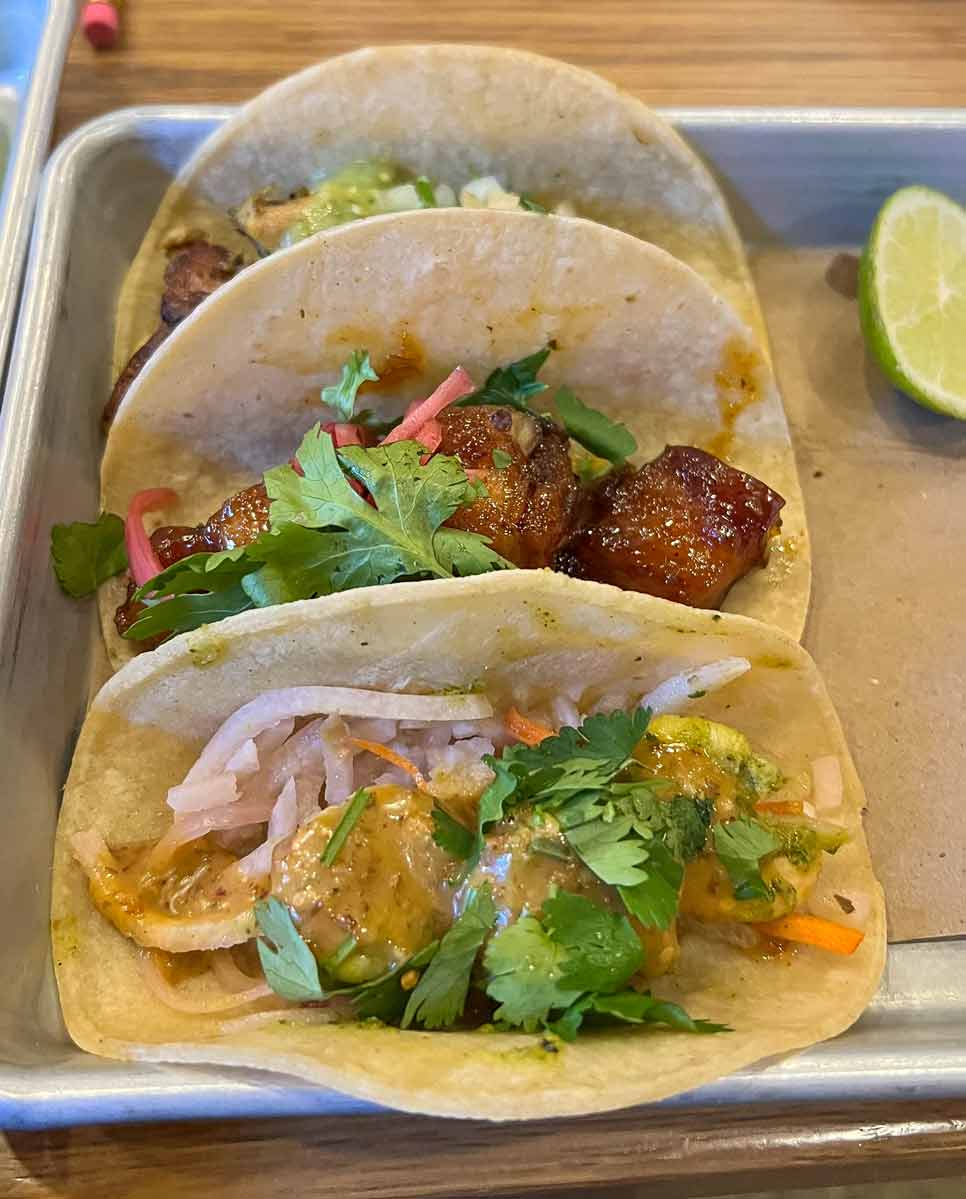
At Bar Taco in Boston’s Fenway area, the food was a vibrant mix of bold flavours and fresh ingredients. For tacos, I had the Seared Chorizo, which was smoky, spiced, and slightly crisp on the edges, with juicy, bold flavours. The richness of the sausage was balanced perfectly by fresh coriander and tangy pickled vegetables, all wrapped in a warm tortilla. The Spiced Chicken Verde Taco was tender and coated in a zesty verde sauce with bright, citrusy notes and hints of earthy herbs, further enhanced by fresh coriander. The Glazed Pork Belly Taco was a standout, with rich, indulgent pork belly that had a crispy exterior and melt-in-the-mouth interior. Its sweet and spicy arbol chilli glaze delivered a bold kick, while pickled red onions provided a tangy contrast to balance the richness.
Grant opted for the Korean BBQ Ribeye Rice Bowl, featuring tender ribeye with a smoky-sweet glaze over steamed brown rice, topped with crunchy carrot and cucumber slaw. We also shared the Guac + Verde + Roja, a trio of dips with fresh, creamy guacamole, zesty green salsa verde, and smoky, slightly spicy roja salsa, paired with crispy tortilla chips that were perfectly light and crunchy. Bar Taco was a relaxed affair and a lovely way to round off our visit to Boston.
The accessibility at Bartaco was limited. The entrance was quite narrow, but it was able to accommodate a power chair user. It is level access, and there are no steps inside to get to any tables. The restaurant was quite cramped, but the staff made every effort to move tables to assist with the extra space required. They had accessible toilets, but again, they were small, and everything was compact.
Visit Target
Before heading back to the airport for our flight home, Grant and I made a quintessentially British stop at Target, just a short distance from Logan Airport. There’s something oddly delightful about wandering the aisles of an American superstore, soaking up the differences in culture through snacks, seasonal decor, and household essentials. We couldn’t resist picking up a few Christmas tree ornaments as keepsakes to commemorate our trip, each one a little token of our Boston adventure. It was the perfect way to end a holiday rich with history, culture, and experiences—adding one last sprinkle of magic before boarding our flight home.
Why Boston Should Be on Your Must-Visit List
Boston’s seamless blend of history, innovation, and inclusivity makes it a standout destination for disabled travellers. From tactile art tours to accessible dining, the city has worked tirelessly to ensure that everyone can enjoy its cultural and culinary offerings.
The Seaport District exemplifies this transformation, combining modern design with accessibility. Travelling from the UK to Boston is simple, with direct flights from London Heathrow (£500–£700 return) and a compact city layout that’s easy to navigate. Boston is more than a destination; it’s an experience. Its commitment to accessibility showed us everyone can enjoy it’s rich history, innovative spirit, and vibrant community. Make it your next adventure—you won’t regret it.
For more similar articles, check out my recommendations below:
- Visiting the Kennedy Space Centre as a blind traveller
- An Accessible guide to the Universal Studios Orlando
*In partnership with Meet Boston but all thoughts, opinions and pictures are my own.
Like it? Pin it!

