This post may contain affiliate links; by clicking on and buying through these links I will earn a small commission, at no extra cost to you: helping me to keep Blind Girl Adventures running.
Grant and I escaped the dreary British winter and headed to Spain for three days in Valencia. I navigated the city with my long white cane and found the capital of the Comunidad Valenciana one of the more accessible and enjoyable destinations I’ve visited in Europe.
This itinerary shares exactly what to see in Valencia in 3 days, with honest reflections on access, atmosphere, and how it felt to explore a city where oranges grow freely and the architecture does all the talking. I hope you will enjoy my accessible 3 day in Valencia itinerary for disabled travellers.
We flew in and out of London Gatwick, where AccessAble’s detailed online guides were a real help in planning. These are free, accurate accessibility guides that give you everything you need to know about step-free access, lifts, toilets, counters and routes through the airport. Don’t forget that if you are a disabled traveller, you are entitled to book Passenger Assistance for free.
Day 1 in Valencia: Arrival, Where to Stay and What to Eat

We stayed at the Ilunion Valencia 4 Hotel, which is part of a hotel group owned by the ONCE Social Group: the same organisation behind the Spanish lottery and a long-standing employer of disabled people across Spain. That commitment to inclusion isn’t just something they say. It’s reflected in who they hire and how the space is designed.
The hotel has six fully adapted rooms for disabled guests, with features like roll-in showers, portable shower chairs, emergency buttons, and vibration or light-based alarm systems. There are accessible toilets throughout the building, step-free access to all public areas, and lifts to every floor. It was easy to move around using my long white cane.
Breakfast at the hotel was served buffet-style with a classic continental spread. I stuck to what I know and love — soft pancakes, warm pastries, and porridge — while Grant tried a bit of everything. From bacon to small local sausages and fresh fruit, there was plenty of variety, and the food was more than filling enough to set us up for the day ahead.
The layout of the restaurant worked well from an accessibility perspective too. There was plenty of space to navigate with a wheelchair, and the accessible toilet was located nearby, which made mornings easy.
Ilunion Valencia 4 is also just a few minutes’ walk from both Beniferri Metro Station and the Valencia Congress Centre, which makes it especially convenient if you’re combining city exploring with work or events. There’s wheelchair-accessible parking on site, and the restaurant and pool areas are all barrier-free.
Even more encouragingly, 40% of the staff are disabled; something I rarely see when travelling, and a genuine sign of inclusion rather than marketing.
It’s not often I stay somewhere that gets so much right, both in terms of physical access and attitude. It felt like inclusion was part of the hotel’s DNA, not just something bolted on.
Our dinner reservation wasn’t until 8 pm that evening, so we had the afternoon to explore. We walked from our hotel down to the new town, which took around 30 minutes at a steady pace. It’s mostly flat and easy to navigate with a cane or wheelchair, though a few of the wider crossings and traffic light timings could do with some improvement.
Valencia strikes a brilliant balance between old and new. The old town is full of winding streets, medieval architecture and a proper local buzz. It’s a bit more uneven underfoot, with cobblestones and narrower pavements, but not impossible with a bit of patience.
In contrast, the newer areas are wide, open and modern – with smooth pavements and an almost futuristic feel, particularly around the City of Arts and Sciences.
Valencia’s history stretches back over 2,000 years and you can feel it in the layout of the city – Roman foundations, Moorish influence, Gothic cathedrals and Baroque facades. Then you’ve got the ultramodern architecture like Santiago Calatrava’s striking white buildings that look like they’ve landed from another planet. It’s a fascinating contrast, and part of what makes the city so captivating to explore.
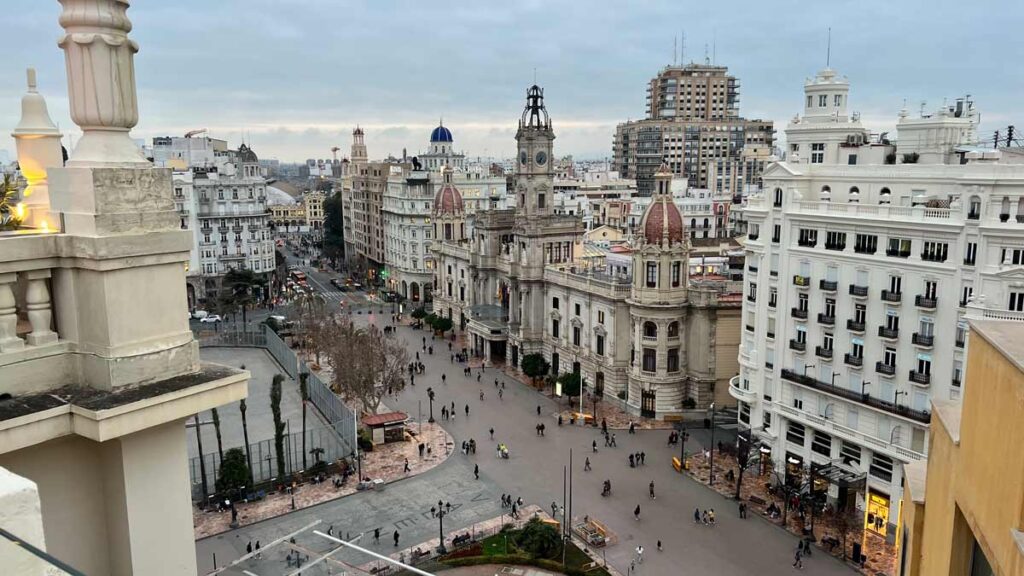
Our first evening was spent at the Atenea Sky rooftop bar, located on top of Ateneo building. There is lift access to the rooftop, but the space was busy and loud, which made it more difficult to navigate with a cane. Tables were closely arranged, and it would be challenging for a wheelchair user to move around independently. That said, the energy of the space made it clear why. There was already a queue when we arrived, and the place was packed with locals, not tourists, which said a lot about how well-regarded it is in the city. Because it’s so popular, if you share your access needs with the venue ahead of time, I’m confident they’d be more than willing to help and make sure disabled guests feel welcomed and supported.
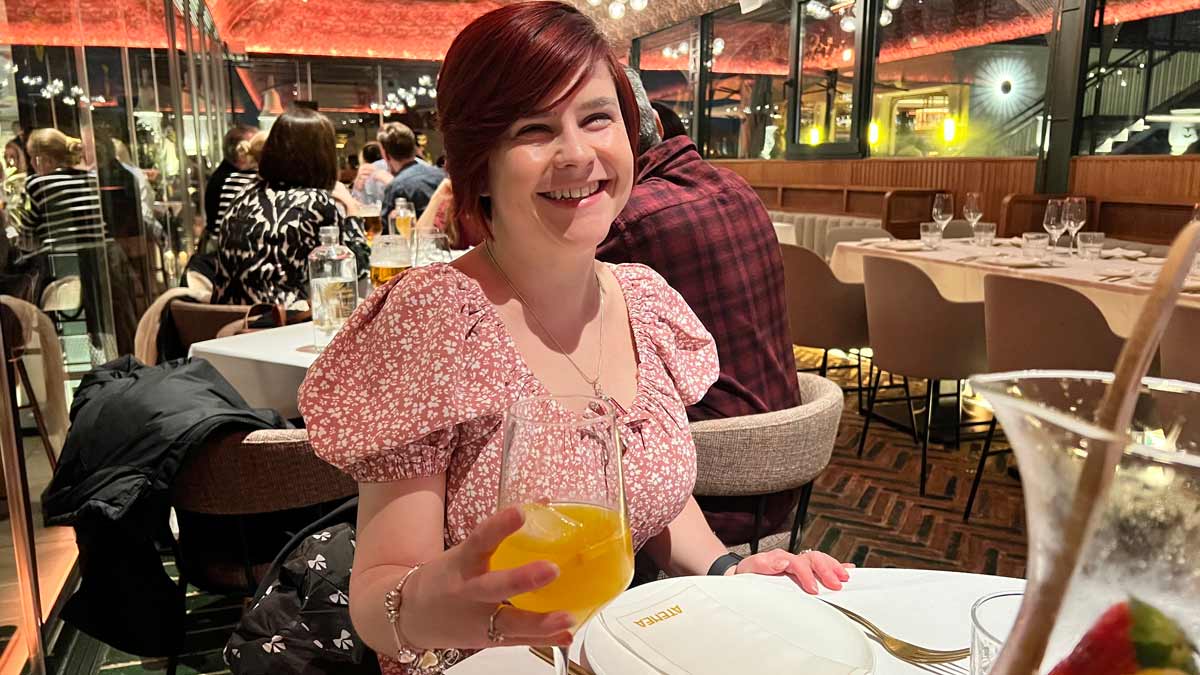
We arrived just before sunset and sipped Agua de Valencia: a deceptively strong cocktail made with orange juice, cava, gin, and vodka.
Grant and the others described the view: rooftops in every direction, the city turning gold as the light shifted, and the sun slowly disappearing behind the mountains in the distance. Even without sight, I could feel the change in pace. The temperature dropped slightly, the breeze picked up, and everything around us seemed to pause as evening settled in.
Dinner was served inside the rooftop restaurant. The design was clean and modern, and live music from local artists played throughout the evening. It was loud enough that you needed to raise your voice to speak, but it never felt overwhelming. The music gave the space real personality: vibrant, rooted in the city, and full of life. It didn’t feel like a hotel bar, it felt like part of Valencia.
Now, let’s talk about the food! To start, there was a small tasting plate: a piece of toasted bread with tomato, crispy-skinned fish on top of potato with aioli, a skewer of what tasted like slow-cooked pork with a creamy sauce, and a crisped croquette wrapped in jamón. Everything was full of flavour, with just enough variety to keep each bite interesting.
The table was full of contrast: from delicate sushi to rich, slow-cooked meat, each dish felt considered but never overdone.
The sushi was beautifully plated on a two-tier wooden and ceramic setup—one roll topped with slices of raw tuna, the other with salmon and a glossy drizzle of sauce. Both were garnished with finely cut herbs and threads of dried chilli. The texture was soft, with just enough bite from the rice, and the flavour was clean with a touch of heat and sweetness from the sauce.
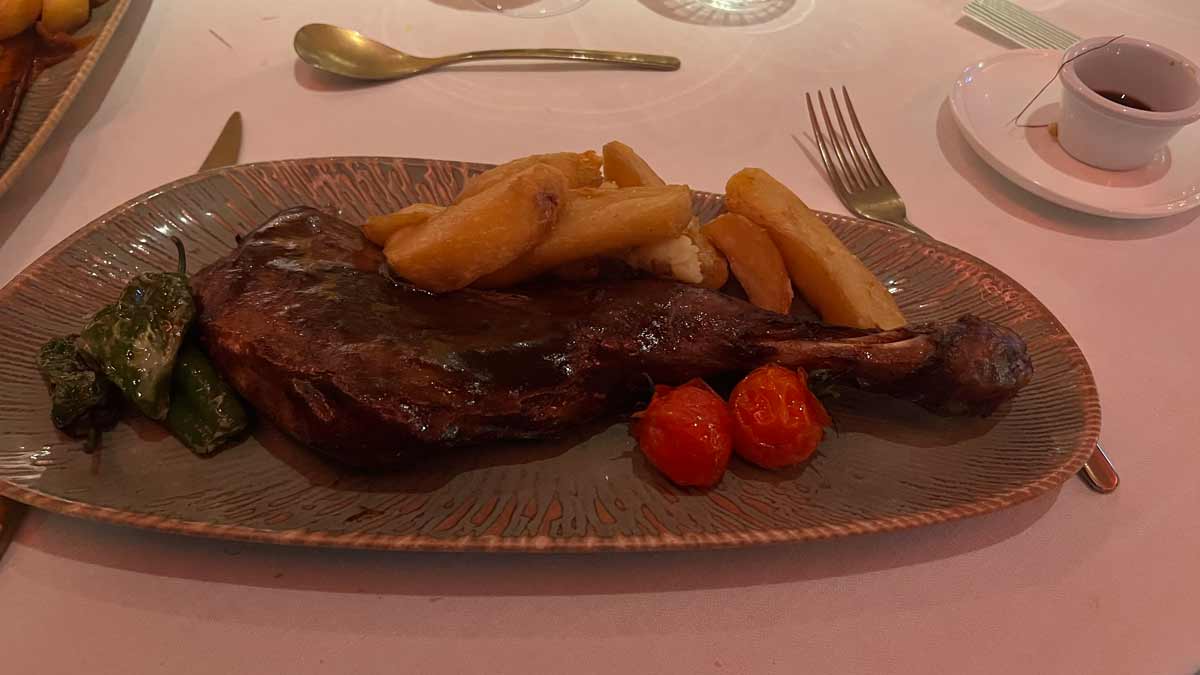
The meat dishes were hearty and straightforward: thick cuts of beef, grilled and sliced, served with padron peppers, blistered cherry tomatoes, and chunky chips. Rich, smoky and tender . We drank Agua de Valencia alongside it all, citrusy, strong, and far too easy to keep topping up. It set the tone for the rest of the trip: great food, local flavour, and a proper welcome.
Day 2: Old Town Walking Tour and Traditional Paella

The Old Town is non-negotiable. We started our second day at the Torres de Serranos, one of the city’s original twelve gates. The towers are medieval stone structures with a commanding presence; you can feel their height through the echo of your footsteps and the way voices bounce against the worn walls. As someone who can’t see the view, I still appreciated the sensory story these towers tell.
Navigating the surrounding Old Town with a long cane was mostly manageable. It’s a relatively flat, modern city centre the tactile contrasts and auditory cues helped make sense of the space. Narrow cobbled streets opened into sun-drenched squares. You could hear the clink of coffee cups and smell orange blossom as we walked through the winding lanes.
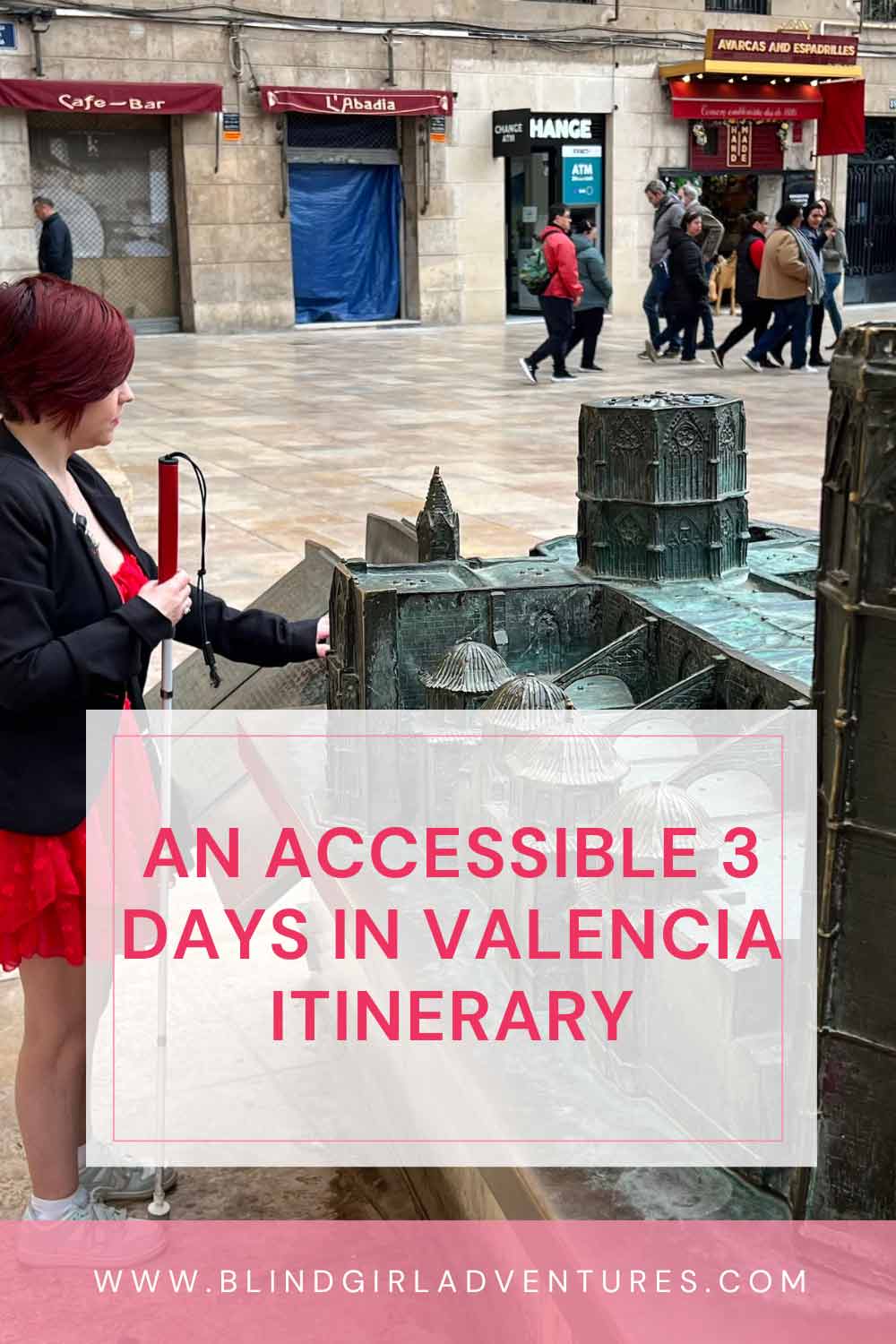
Valencia has really invested in accessible tourism. Tactile 3D models are found across both the Old and New Town, each featuring braille writing and detailed architectural layouts. These aren’t just decorative; they give blind visitors a real sense of how intricate and grand the buildings are. For the first time in a long time, I could understand the decorative detail and layered façades usually reserved for those who can see.
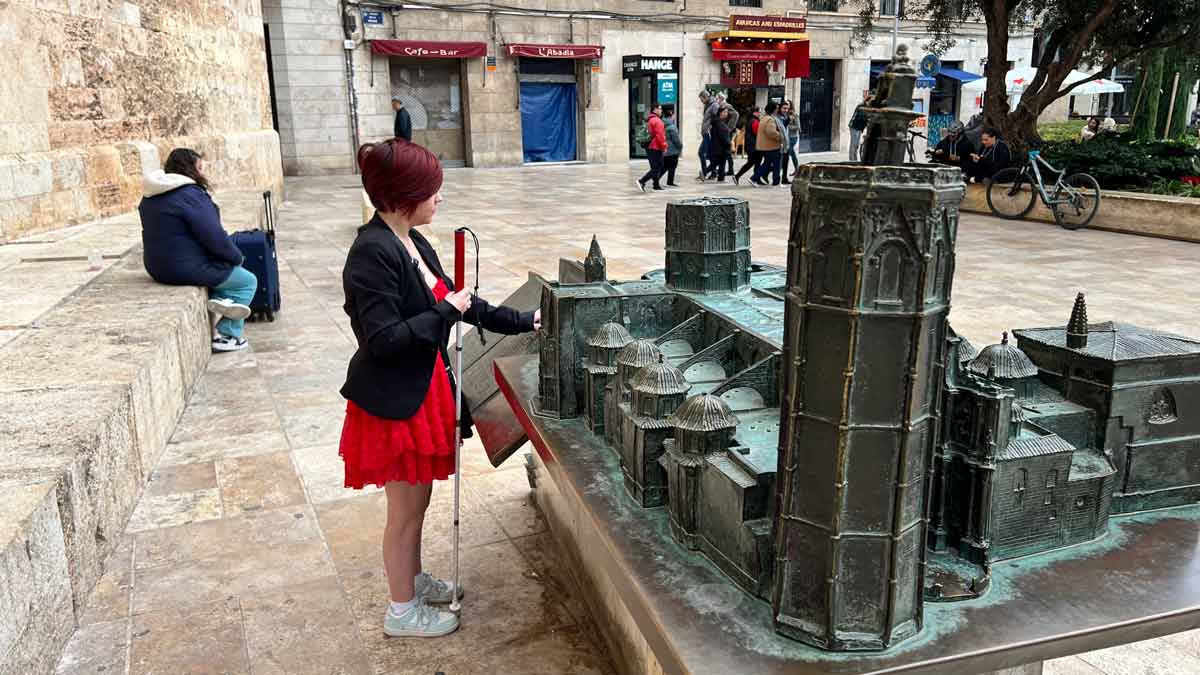
We were given a fascinating walking tour by Vincent, a passionate and knowledgeable guide who brought the stories of the city to life. He shared local facts: how Valencia has its own language and flag, and how a bat became the city’s emblem and mascot; after supposedly warning King James I of an ambush during the Reconquista. You’ll now find bats across local signs, buildings and even football shirts.
Crossing roads in Valencia, however, does take concentration. While the city is wonderfully walkable, there are tactile pavings at crossings but no audio signals or buttons to push.. It’s something to be aware of and plan around, particularly when travelling solo.
Mid-morning, we stopped for a tasting of horchata and fartons: a pairing I’d never tried before. Horchata is a creamy, chilled drink made from tiger nuts, with a texture not unlike almond milk and a distinct earthy sweetness. The fartons are long, icing-dusted pastries designed to be dunked, particularly when it’s hot outside the locals have it as a midday snack that is cool, refreshing and sweet.
By lunchtime, we were on our way to La Barraca Toni Montoliu, a traditional farmhouse just outside the city. Toni, the owner, greeted us like family. His passion for the land, local produce and preserving Valencian culture was infectious. The building itself was a thatched-roof cottage: a traditional barraca, which gave off the comforting scent of old wood and sun-warmed herbs.
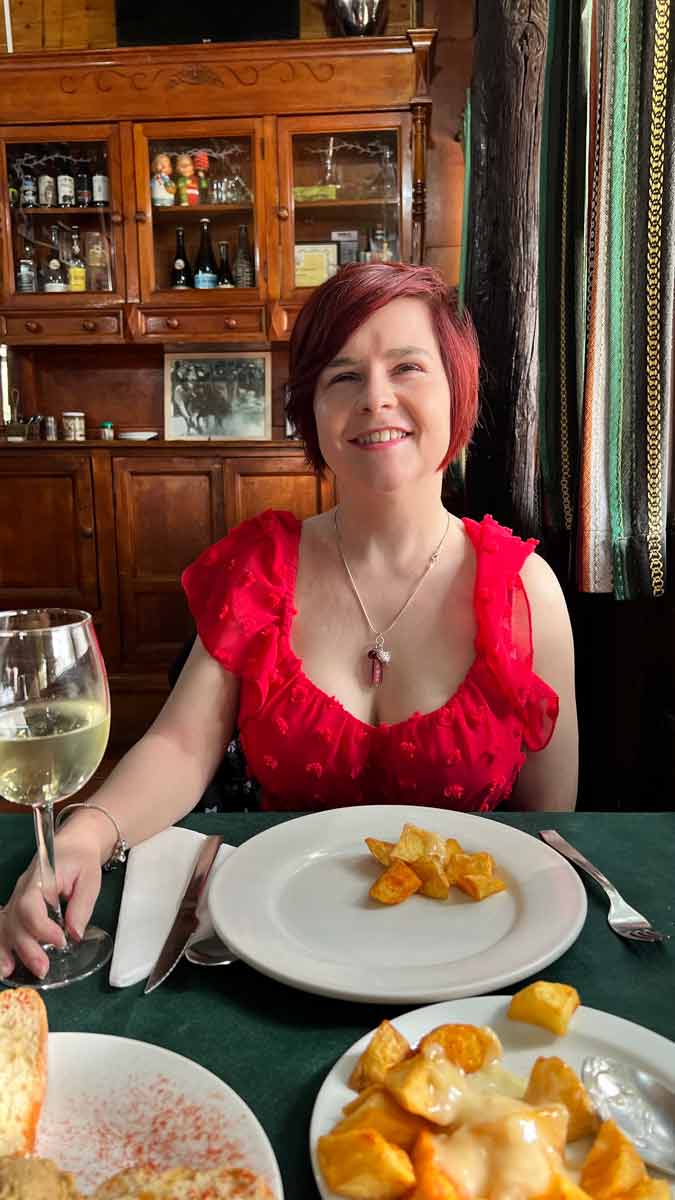
We were there for a paella experience, cooked over open flames and listening to the chef explain how rabbit, duck, chicken and snails are cooked into the region’s most famous dish. Served at long indoor tables. Lunch began with slices of white bread, lightly toasted and sprinkled with paprika, served with a scoop of pâté. The bread was crisp on the outside and soft in the middle. The pâté was smooth with a strong, slightly metallic flavour.
This was followed by patatas bravas. The potatoes were medium-sized cubes, fried until golden and crisp, soft inside, and topped with a thick layer of aioli. The aioli was pale, creamy heat with a light garlic taste.
The next dish was whole artichokes, served warm and soft in texture. Cooked in oil with minimal seasoning, they had a slightly bitter, earthy taste.
A stew of eel came in a small clay bowl. The broth was bright orange, thick with oil and softened onion. The eel was soft and tender, with a deep, meaty flavour and a slightly oily finish. It had more richness than expected, sitting somewhere between strong fish and slow-cooked meat. Grant didn’t enjoy it, but we tried it.
A large mixed salad was served in the centre of the table. It included shredded beetroot, cabbage, carrot and lettuce, topped with thin slices of radish. The texture was crunchy throughout, and it was lightly dressed in oil.
The main dish was traditional Valencian paella made with chicken, rabbit and snails. The rice was short-grain, yellow from saffron, and had absorbed the flavour of the stock. The chicken and rabbit were served in bone-in pieces. I didn’t eat the snails, but they were served whole in their shells. In Valencia, meat is often served this way. It adds depth to the dish, but might be unexpected if you’re used to boneless cuts.
Three desserts were offered. A soft pumpkin purée topped with candied seeds and dusted with cinnamon, which I didn’t try as I don’t like cinnamon or pumpkin. Slices of orange, served cold, drizzled with syrup and topped with walnut pieces. A square of orange sponge cake, light in texture, with a fine dusting of icing sugar on top.
Needless to say, we left feeling very full and happy. Before we headed off, Toni surprised us by handing each of us an orange from his own crop. They were incredibly juicy, packed with the perfect balance of sweetness and acidity. A small gesture that said everything about the kind of lunch it was.
The joy of eating food straight from his farm, was something I’ll never forget. My Spanish is extremely basic, but trying to chat with Toni as he showed me around was a highlight. It was fun, full of gestures and good humour, and it reminded me just how lazy we can be in Britain about learning a second language.
Day 3: Bioparc and Oceanogràfic

Our third and final day began with a trip to Bioparc Valencia, a barrier-free wildlife park designed around immersive enclosures and invisible barriers. It was far more accessible than I expected; thoughtfully designed pathways to mirror the animals habitat, because of this, my marshmallow tip cane did get caught a lot. Sadly the bio park lacked braille signage, naviLens codes or audio description, which would have made it easier to explore independently.
We were incredibly fortunate to have a one-to-one guided tour from Albert, who transformed the experience, we were so fortunate that his English was so good he was able to translate and share his own experiences which brought a special touch to our time at the bio park. His narration turned animal enclosures into living landscapes. The scents of hay and damp woodchips mixed with the distant splash of water and the low rumbles of elephants roaming nearby.
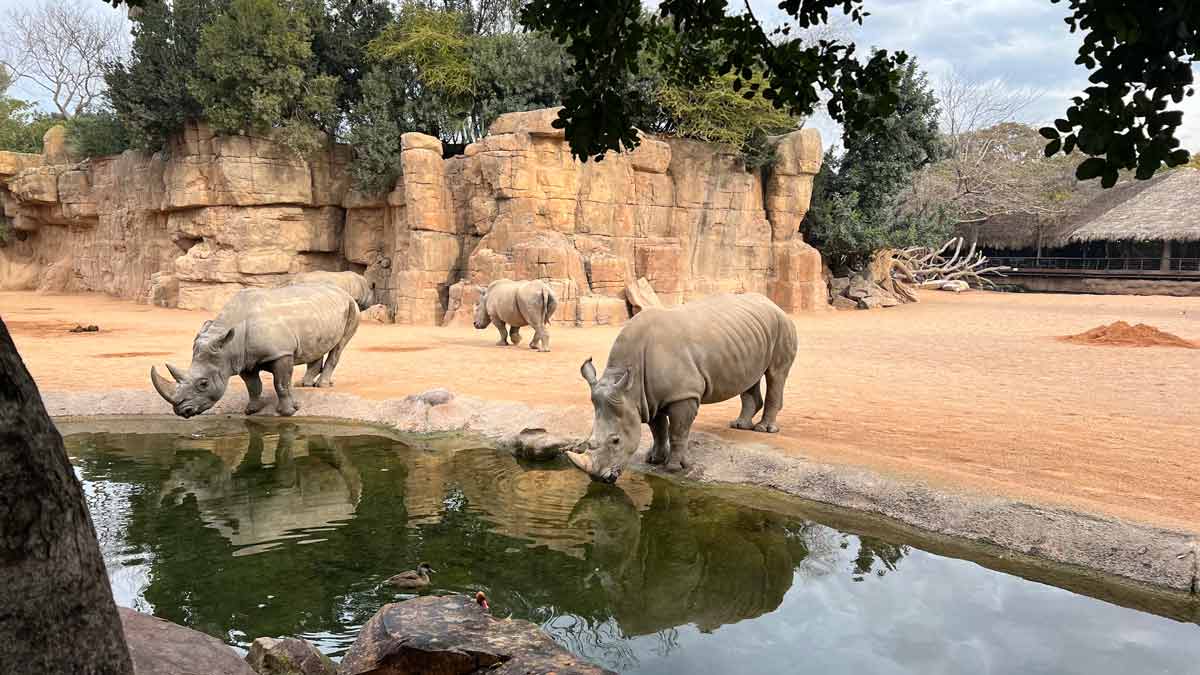
Bioparc was celebrating its 17th birthday during our visit, and the centrepiece of the occasion was a spectacular, multi-layered fruit and vegetable cake: shaped like a wedding cake, stacked high with pineapples, cabbages, bananas, watermelons and leafy greens. It had been built for the elephants, who approached it with their usual grace and curiosity. The thud of their feet, the swish of their trunks and the soft chorus of movement as they ate was powerful. I stood there, completely still, holding back tears. Albert’s description of their behaviour and the quiet beauty of the habitat left a lasting impression. I didn’t want to leave.
The sounds here were extraordinary: birds calling overhead, monkeys chattering, and the distant splash of water from artificial rivers running through the enclosures. Everything felt close, as though you were part of the landscape rather than looking in.
And then there were the lemurs. I had never heard them before. Their exuberance stopped me in my tracks: strange, melodic, almost otherworldly. I didn’t expect to be so taken in by their sounds, but I was completely blown away.
From Bioparc we headed over to Oceanogràfic, the largest aquarium in Europe. While I can’t appreciate visual displays anymore, the scale and design of the place made it a sensory adventure.
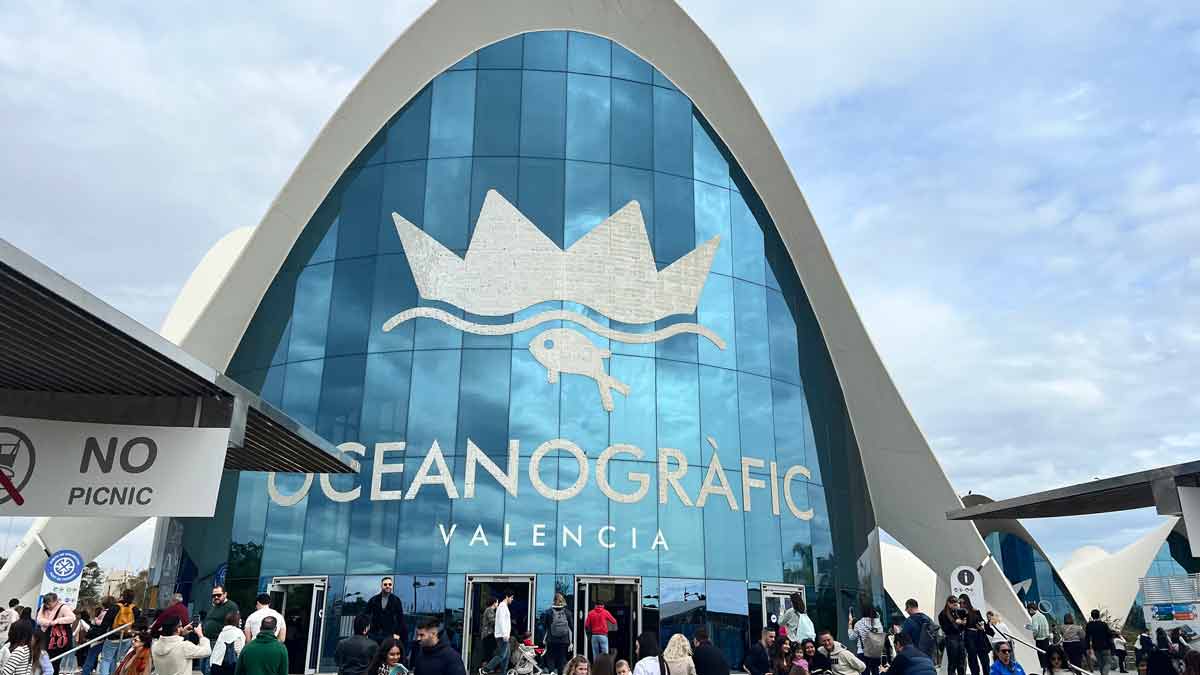
Oceanogràfic also offered audio guides, which made the visit so much more meaningful. I could listen to descriptions of the exhibits and follow along at my own pace. Grant described the blue whales swimming past: their sheer size, the way they moved together, almost silently, was astonishing to hear. It made the entire experience feel grand, vast, and unexpectedly moving.
The restaurant we ate in was downstairs, completely surrounded by a glass tank that wrapped around the entire room. You couldn’t hear the movement of water and the whoosh of fish darting past which was a true shame, especially as they swam right past my face. It was also wheelchair accessible, with step-free access and nearby accessible toilets; a welcome detail that’s so often overlooked.
Dining at the Oceanogràfic aquarium restaurant felt like a full experience, not just a meal. With the serene glow of the tanks around you and the gentle movement of marine life as your backdrop, it’s hard not to be impressed before a single plate arrives.
We started with burrata — soft, creamy, and rich — paired with a scattering of Iberian ham crumble, tomato dust, and microgreens for a pop of colour and freshness. A slice of crisp bread perched on top.

Next came grilled white asparagus, served with a bright, peppery sauce and topped with a parmesan crisp. Slightly charred, tender, and delicately sweet, it was balanced beautifully by the saltiness of the cheese and a few specks of black lava salt.
A small but rich duo of slow-cooked pork with a sticky glaze. The fig on the side gave just enough sweetness to cut through the richness, though the portion was petite. Gran’s beef tenderloin was equally considered — cooked medium rare, topped with pistachio and salt, accompanied by a few buttery gnocchi and a well-balanced sauce.
The lasagne was silky with a hard cheese crunch, comforting, it offered depth without heaviness.
Grant’s seabass had a crisp skin and flaky interior, served alongside lightly dressed sea vegetables and a tomato for contrast.
Desserts: One plate arrived with a torched swirl of meringue, crumbled biscuit and a scoop of green sorbet Refreshing.The final dessert was a slice of Basque-style cheesecake with a caramelised top and coulis drizzle, garnished with a sprig of redcurrants. Light, creamy, and not too sweet.
After lunch, we explored the rest of the aquarium, The highlight was the “El mar en tus manos” activity: a hands-on exploration of Mediterranean marine life. I touched sea cucumbers, sea urchins, and even felt a sea star. The experience was built to be felt. This tour was only in Spanish so we used Google translate to interpret the fascinating knowledge of our guide, Grant and I learned so much about the conservation efforts of both the aquarium and Valencia as a whole.
We ended the day with a walk through the City of Arts and Sciences: a futuristic architectural complex that stretches across a vast, open area. Even without sight, the sense of place here is unmistakable. The buildings are curved, sharp, and impossibly bold. You can feel their presence through spatial acoustics; footsteps become quieter in open plazas and echo wildly under bridges. The polished surfaces and modern materials give off different temperatures under your fingers and feet.
As a disabled traveller, wide open spaces can be either freeing or intimidating. Here, I felt grounded. The pathways are consistent, there’s ample room to move without obstacles, and the scale gives you the sense of being part of something much bigger.
A must stop spot in Ruzafa is Bar Biosca, tucked away on Calle Denia. It’s been run by the same family since 1922 and still feels like a proper neighbourhood bar. Small, lively, full of locals. The staff were genuinely friendly and welcoming. Despite my limited Spanish, they made time for us, didn’t rush, and made the whole experience feel easy.
This was where I tried Tinto de Verano for the first time: a mix of red wine and lemon Fanta, served over ice. It’s a traditional summer drink, lighter than sangría and a lot less effort. Sharp, fizzy and surprisingly refreshing. I can see why it’s so popular.
The kitchen serves home-cooked Spanish food: tortilla, croquetas, empanadillas and daily specials chalked up behind the bar. We didn’t try the food, only because we were already being spoilt elsewhere, but it’s the sort of place I’d go back to for lunch or something simple and local in the evening.
The space would be tight for a wheelchair user, there isn’t an accessible toilet, but they do have an outside seating area, and an extra bonus they have NaviLens codes on their menus! If you’re nearby, it’s well worth stopping in, not just for the drink, but for the feel of the place. It gives you a sense of the city and the people who live in it.
Ruzafa itself is one of Valencia’s most characterful neighbourhoods. Once a working-class area, it’s now a mix of old bars, independent cafés, galleries and vintage shops. The kind of place where people know each other, stop for a chat, and sit outside with coffees that last all afternoon.
It’s not overly polished, which is part of the appeal. Pavements are wide and mostly flat, with plenty of space to navigate. A few uneven patches and narrow doorways here and there, but overall, it was easy to explore with my cane. The whole neighbourhood had a warm, relaxed feel, and I liked being part of it—not just passing through.
Reflections on My Accessible 3 Days in Valencia Itinerary
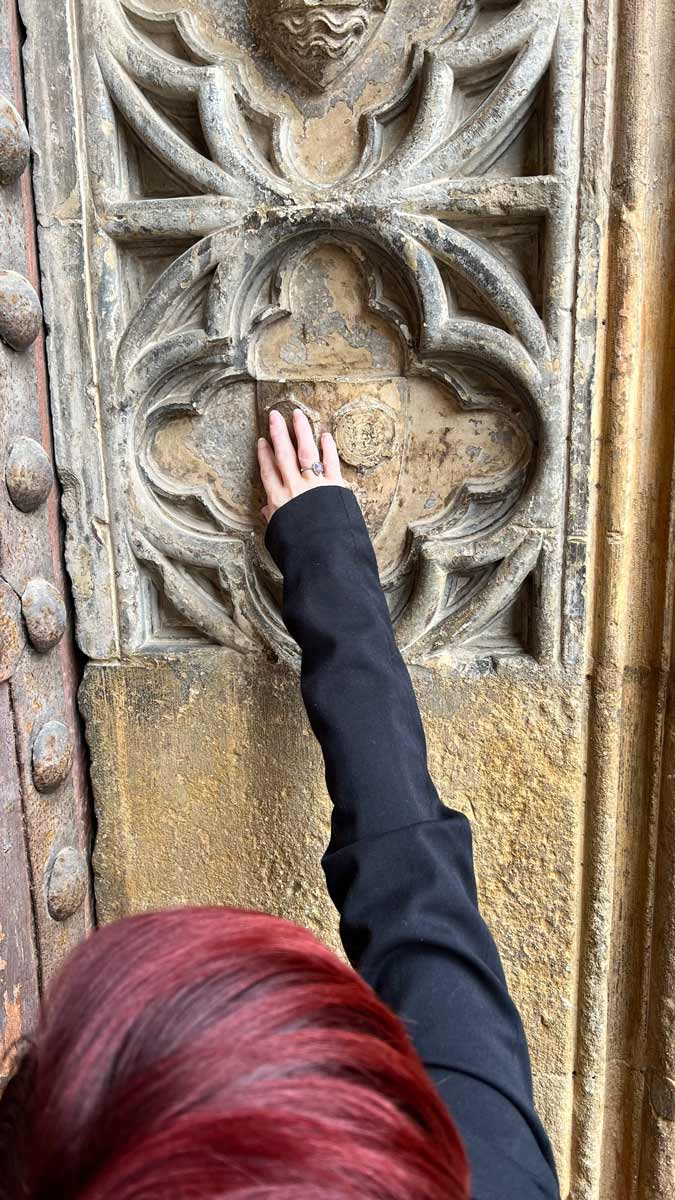
Valencia gave us culture that’s proud, not performative. It offered architecture that makes you feel, not just look. And for me, as a blind woman navigating the world with a long white cane, it delivered access in ways that mattered.
The airport and train stations had tactile lines, helping me navigate independently. Valencia uses NaviLens: a technology that lets blind and partially sighted travellers access spoken information through their smartphone by scanning a high-contrast code. I used it at Metro stations, bus stops and on product labels. It meant I didn’t have to rely on anyone else to find the right direction or check I was in the right place.
Public transport in general was straightforward and accessible. Most buses had level access and audio announcements, obviously in Spanish and the Metro was reliable and simple to navigate with support.
If you’re planning three days in Valencia, I’d recommend this itinerary to anyone who wants a blend of history, architecture, and accessible adventure. And if you’re a disabled traveller like me, I can honestly say Valencia didn’t just open its doors. It invited us in.
For more similar articles, check out my recommendations below:
Like it? Pin it!