
This post may contain affiliate links; by clicking on and buying through these links I will earn a small commission, at no extra cost to you: helping me to keep Blind Girl Adventures running.
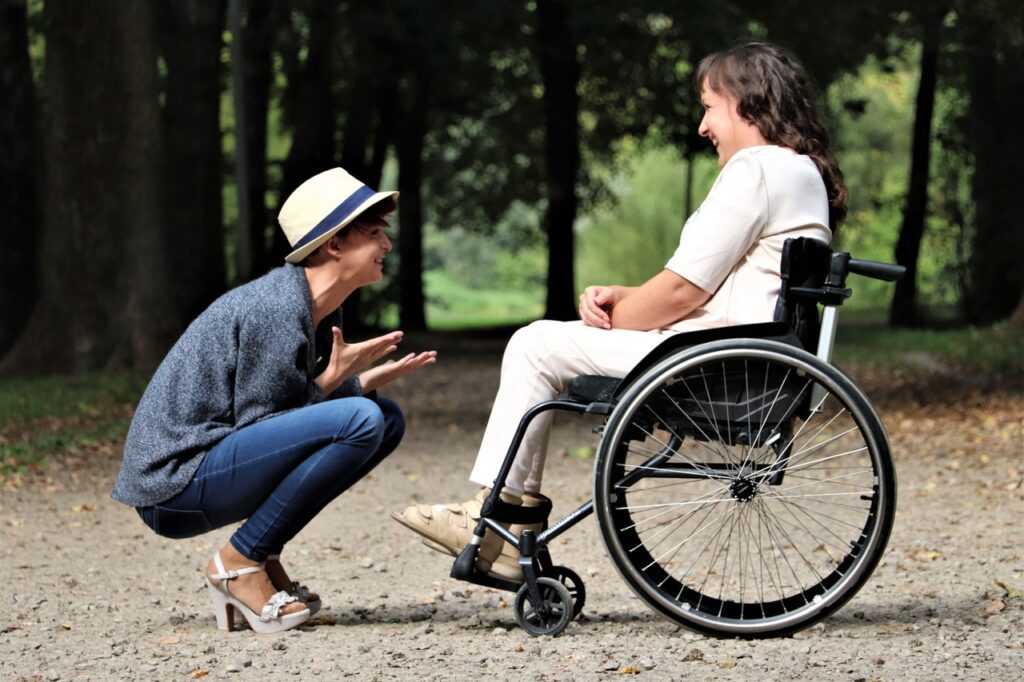
Did you know there are 14.1 million people with disabilities in the UK? According to a Scope UK breakdown, this translates into 44% pensioners, 8% of children, and 19% of working adults. For millions of disabled people, the limitation in clothing options is a major concern. However, what if you knew about the suitable fashion choices that are available? Find out more below.
- Velcro clothing for ease of dressing
The Velcro history began in the 1940s when a Swiss engineer, George de Mestral, discovered cockle-burrs stuck onto his clothes on a hunting trip. Not only did he notice these on his trousers, but his dog’s fur was also full of them. George wondered how these plants hooked onto his clothes so firmly, so he employed a microscope to check them out. That’s when he realized that the cockle-bur had hooks gripping onto the thread loops of his trousers.
Fast forward to several years, and this nature-inspired invention has become one of the few special features of adaptive clothing. Velcro has been used to make trousers, shirts, skirts and full dresses, to make it easier for persons with disabilities to wear clothes. It doesn’t require several bodily manoeuvres to fasten it; with a simple overlapping movement, you’re good to go.
- Printed and uneven-textured fabrics for convenience and care
You’ll not require an apron or an oversized bib, which only plays on your self-confidence. You can move around in your stylishly printed apparel and not care too much over what mishaps may have happened at mealtimes.
- Seated jeans for physical comfort and independence
These come in a few varieties and are super-convenient for wheelchair users or persons with a wide degree of incontinence. They are designed to be longer in the back but shorter in the front part. Most importantly, it has a cut factored in specifically for long seated positions. The extra fabric sewn into seated jeans is primarily to conceal colostomy bags, but they’re also comfortable, non-irritable, and popular in the adaptive clothing wardrobe section.
For added comfort and convenience, some brands factor in the several types of disability and include tabs that enhance an easy pull. For example, IZ and Levi’s 501 jeans are some brands you’ll find well-designed to suit your peculiar needs. You would’ve also realized that seated jeans have no rivets or back pockets.
Additionally, with a longer fly attached to removable zipper pulls, the wearer feels liberated and confident to handle the clothes themselves. Some seated jean types also have stretch denim in the waist area to improve comfort and enhance its user-friendliness.
For persons with disabilities, clothing contributes significantly to social acceptance and a feeling of fitting into any group. Therefore, as many more apparel brands are designing wide-range clothing, enjoy the freedom of dressing up to look and feel good. Have fun with the elastic waistbands, drawstrings, Velcros, etc., at your next clothes shopping outing.
Do you think Accessible fashion and adaptive clothing has improved over the years? And can you recommend any retailers for future readers?
